Introduction
A Return to Tactile Brand Experiences
Spring/Summer 2026 sees brand design and print continuing to move toward material richness, subtle luxury and immersive physical experiences. As digital environments become increasingly saturated, brands are rediscovering the power of tactile interaction through carefully crafted print, packaging and finishing techniques.
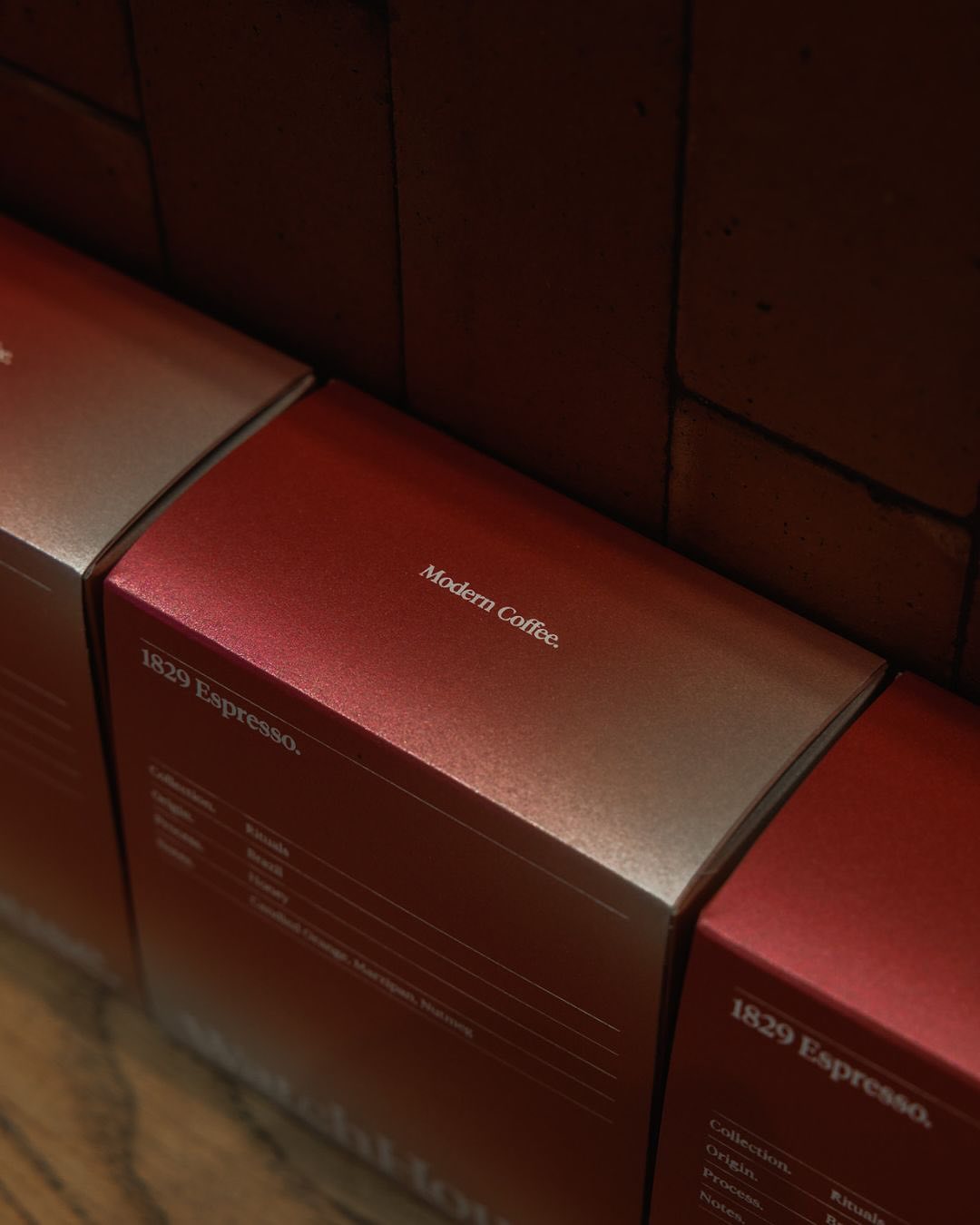
This season’s direction balances contemporary minimalism with expressive craftsmanship — combining refined typography, sustainable materials and elevated finishing to create memorable brand moments. From textured uncoated papers to metallic detailing and structural packaging, print is no longer simply supporting branding; it is becoming central to how brands communicate identity, quality and emotional connection within an increasingly experience-led marketplace.
Discovery
The Five Defining Trends
Several clear movements are shaping brand design and print for Spring/Summer 2026.
1. Tactile Minimalism
The first is tactile minimalism, where understated layouts are elevated through premium stocks, embossing and subtle finishing details.2. Warm Metallic Foils
Secondly, warm metallic foils — particularly champagne, copper and satin golds — continue replacing brighter reflective finishes.3. Material Authenticity
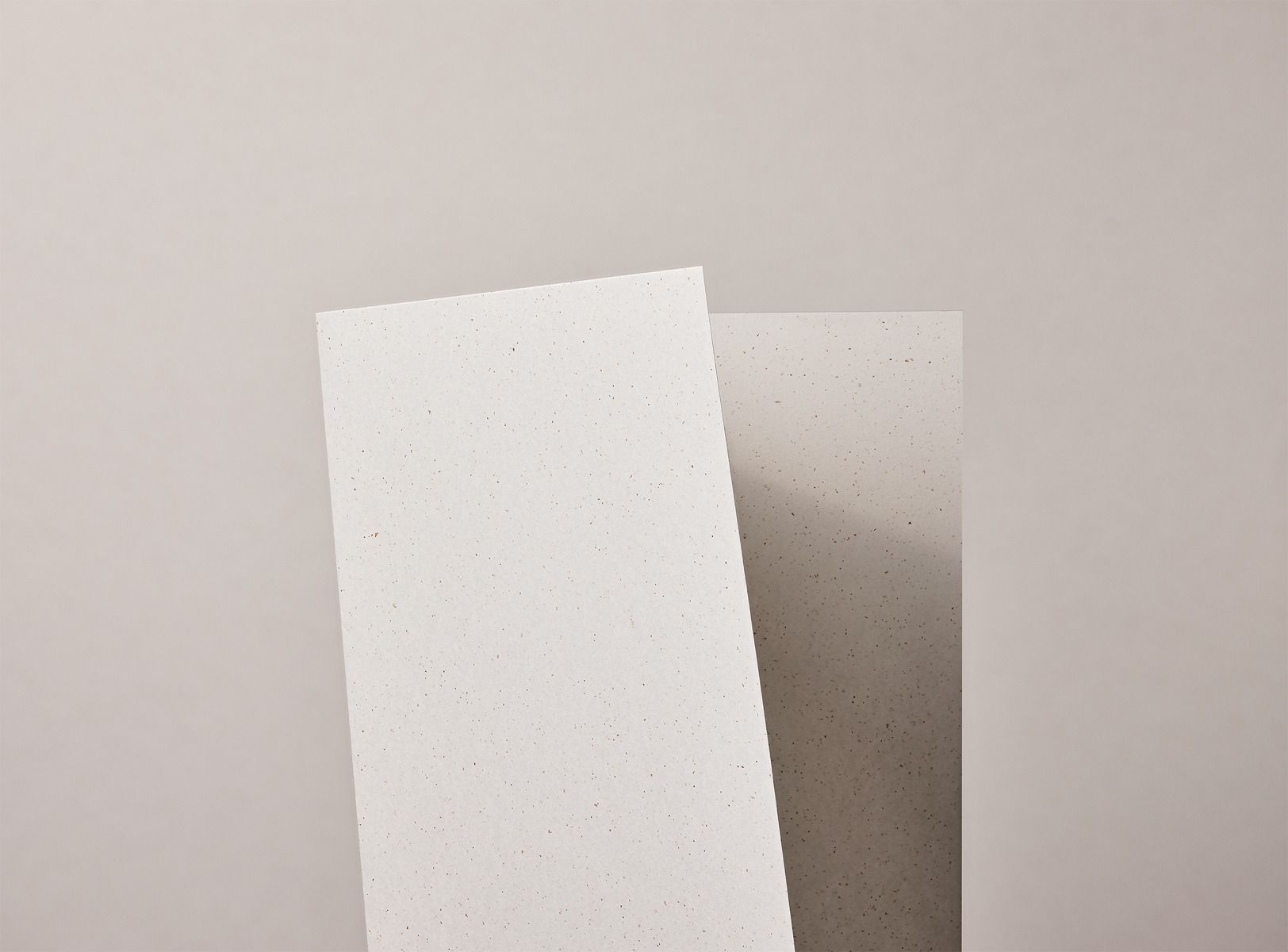
Thirdly, material authenticity is becoming increasingly important, with recycled papers, visible fibres and natural textures embraced rather than concealed.4. Architectural Typography
Fourth is architectural typography, featuring structured layouts, oversized serif forms and elegant spacing systems.5. Layered Finishing Techniques
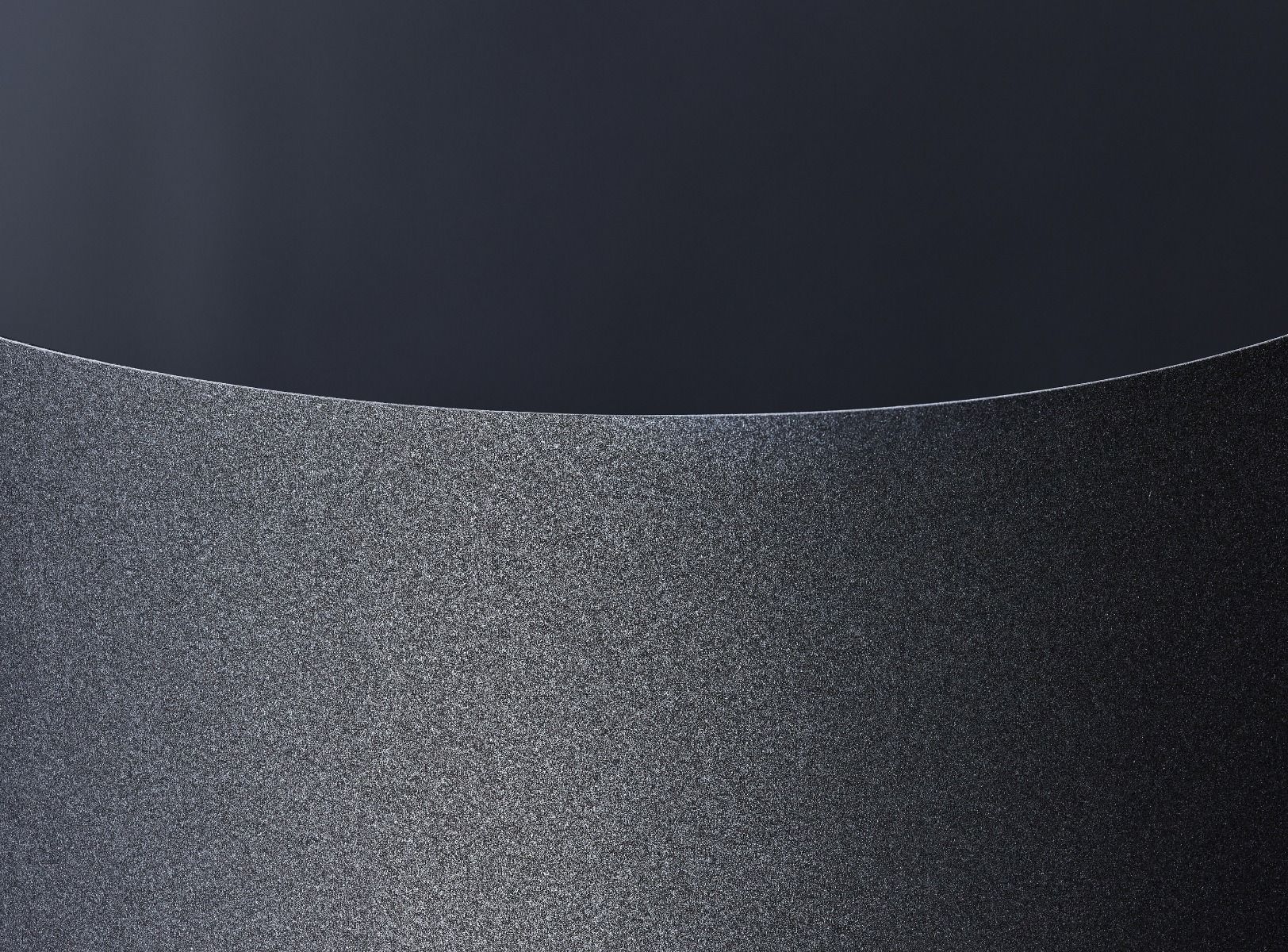
Finally, layered finishing techniques are rising in prominence, combining debossing, duplexing, soft-touch laminates and precision die-cutting to create depth and physical interaction within print and packaging experiences.
Analysis
Why These Trends Are Emerging
These trends reflect a broader cultural shift toward authenticity, permanence and craftsmanship. As brands compete within highly digital environments, physical print offers differentiation through tactility and sensory engagement. Consumers increasingly value materials that feel considered, refined and genuine rather than overtly decorative.
This explains the movement toward softer metallics, restrained typography and natural paper stocks. Sustainability is also influencing aesthetic direction, encouraging recycled materials and reduced finishing excess without compromising elegance. Meanwhile, advances in print technology allow more experimental combinations of texture, foil and structural design at smaller production volumes.
Ultimately, Spring/Summer 2026 is less about visual loudness and more about creating meaningful physical experiences through thoughtful material execution.
Delve Further
The Future of Brand Print & Finishing
Looking ahead, the integration between brand strategy, design and manufacture will continue strengthening. Creative agencies and print presses are increasingly collaborating earlier within projects, allowing materials and finishing techniques to shape creative direction from inception rather than production alone.
Digital print innovation and specialist finishing technologies are also expanding opportunities for personalisation, boutique packaging and short-run luxury production. At the same time, brands will likely continue balancing sustainability with premium presentation — favouring quality, restraint and longevity over excessive embellishment.
For Spring/Summer 2026, the strongest brands will be those capable of combining refined visual identity with tactile sophistication, creating printed experiences that feel both contemporary and enduring.