Introduction
The Role of Print Within Brand Experience
In an increasingly digital world, branded print continues to offer something uniquely tangible. From business cards and letterheads to premium packaging and presentation materials, print creates physical moments of interaction between a brand and its audience.
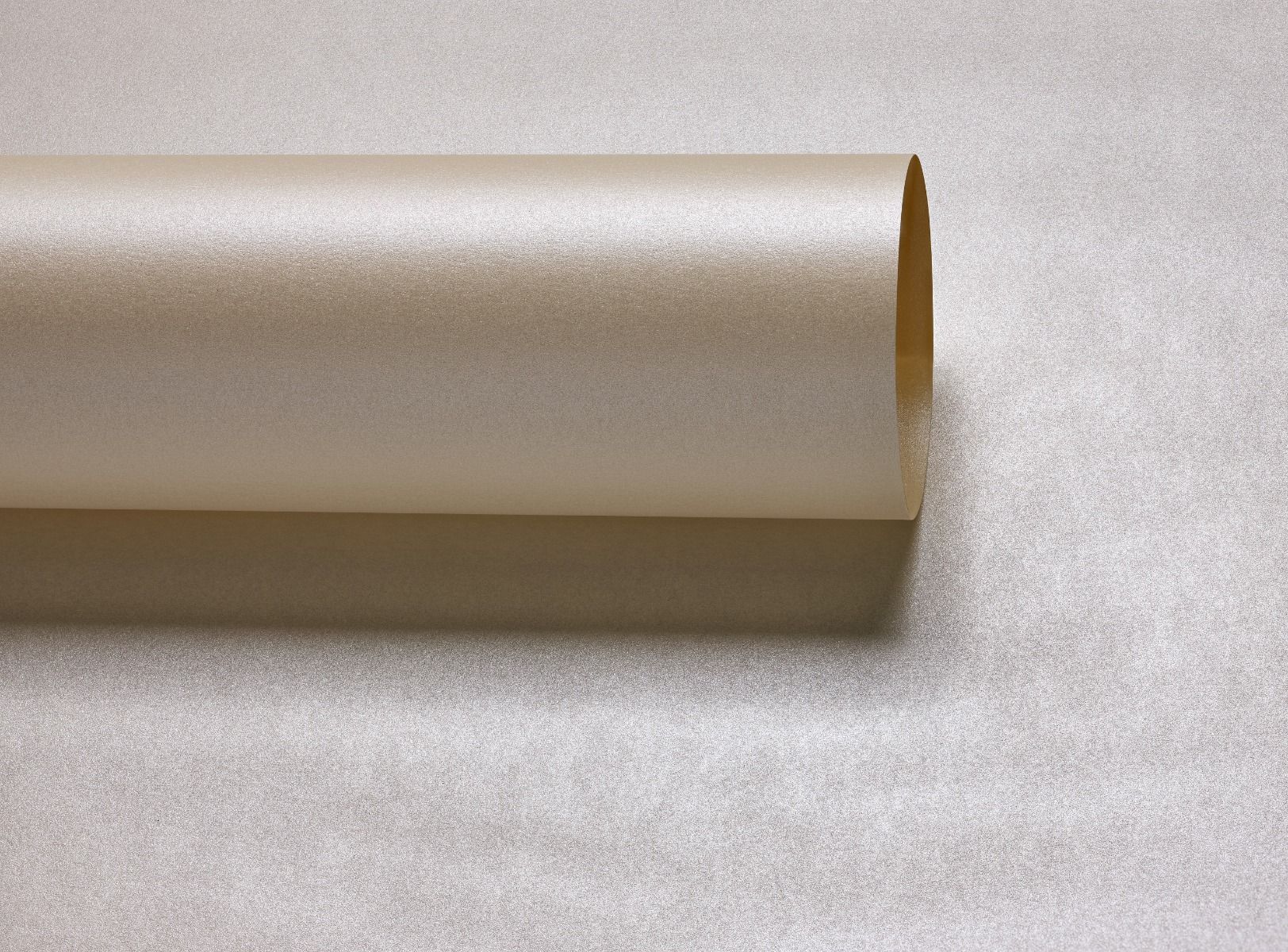
Unlike digital experiences, print engages through texture, weight, finish and craftsmanship. A softly embossed business card or carefully constructed packaging sleeve can communicate quality before a single word is read. The branded print experience therefore extends beyond communication alone — becoming a reflection of identity, values and attention to detail that shapes how a business is perceived and remembered.
Discovery
From Stationery to Packaging
The branded print journey often begins with foundational stationery. Business cards, compliment slips, presentation folders and letterheads establish consistency across daily touchpoints whilst reinforcing professionalism and trust.
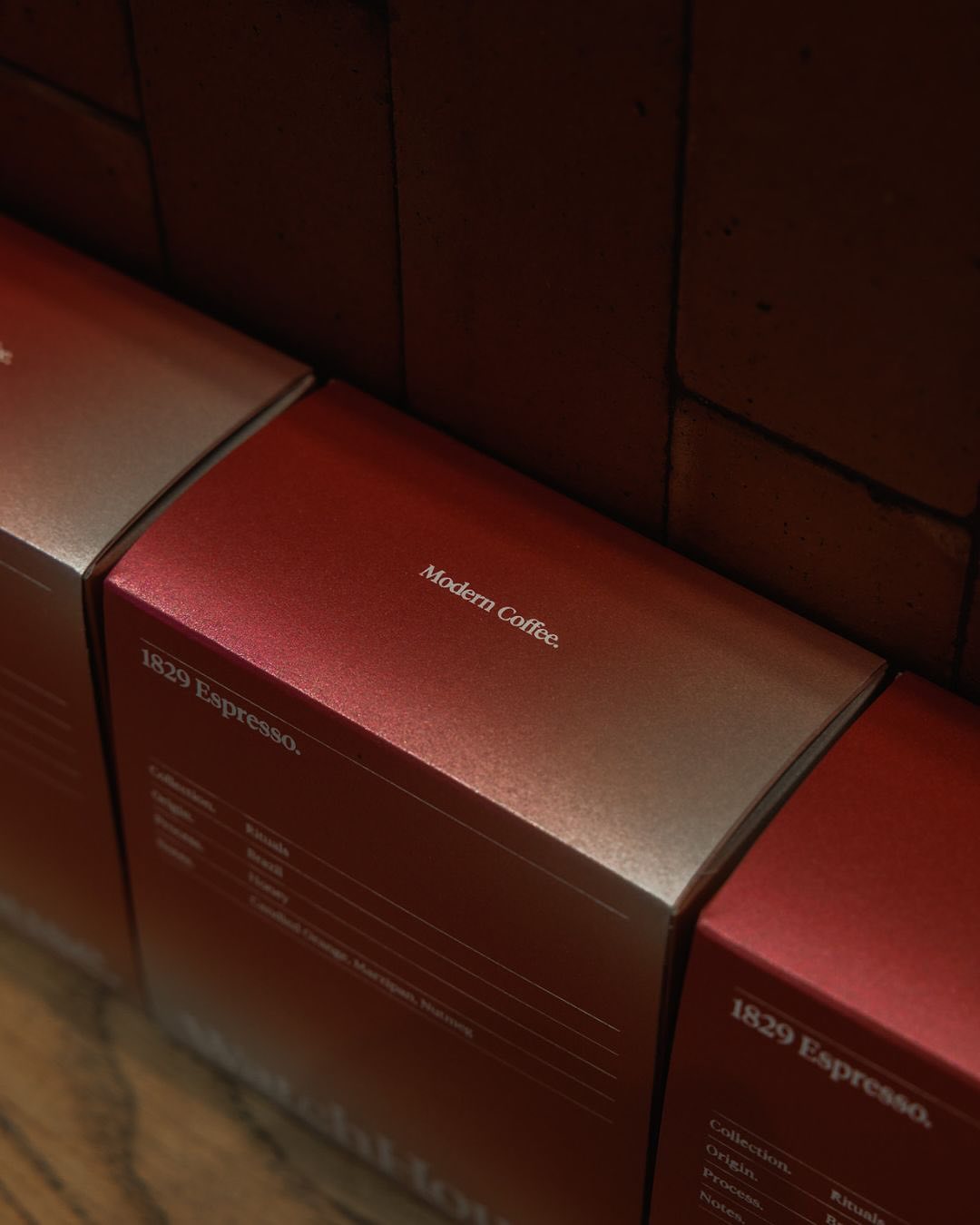
As brands evolve, this visual language expands into brochures, marketing collateral, retail materials and eventually packaging systems. Packaging introduces a deeper sensory layer through structural design, foiling, embossing, soft-touch laminates and carefully selected paper stocks.
Each printed element contributes to a wider ecosystem of brand perception. Whether minimal and understated or bold and expressive, the discovery process centres on understanding how printed materials can work cohesively to create recognition, continuity and emotional connection across every customer interaction.
Analysis
Crafting Cohesive Brand Touchpoints
Strong branded print relies on cohesion rather than individual pieces operating in isolation. Typography, colour palettes, finishes and material selection should feel connected across stationery, packaging and wider collateral.
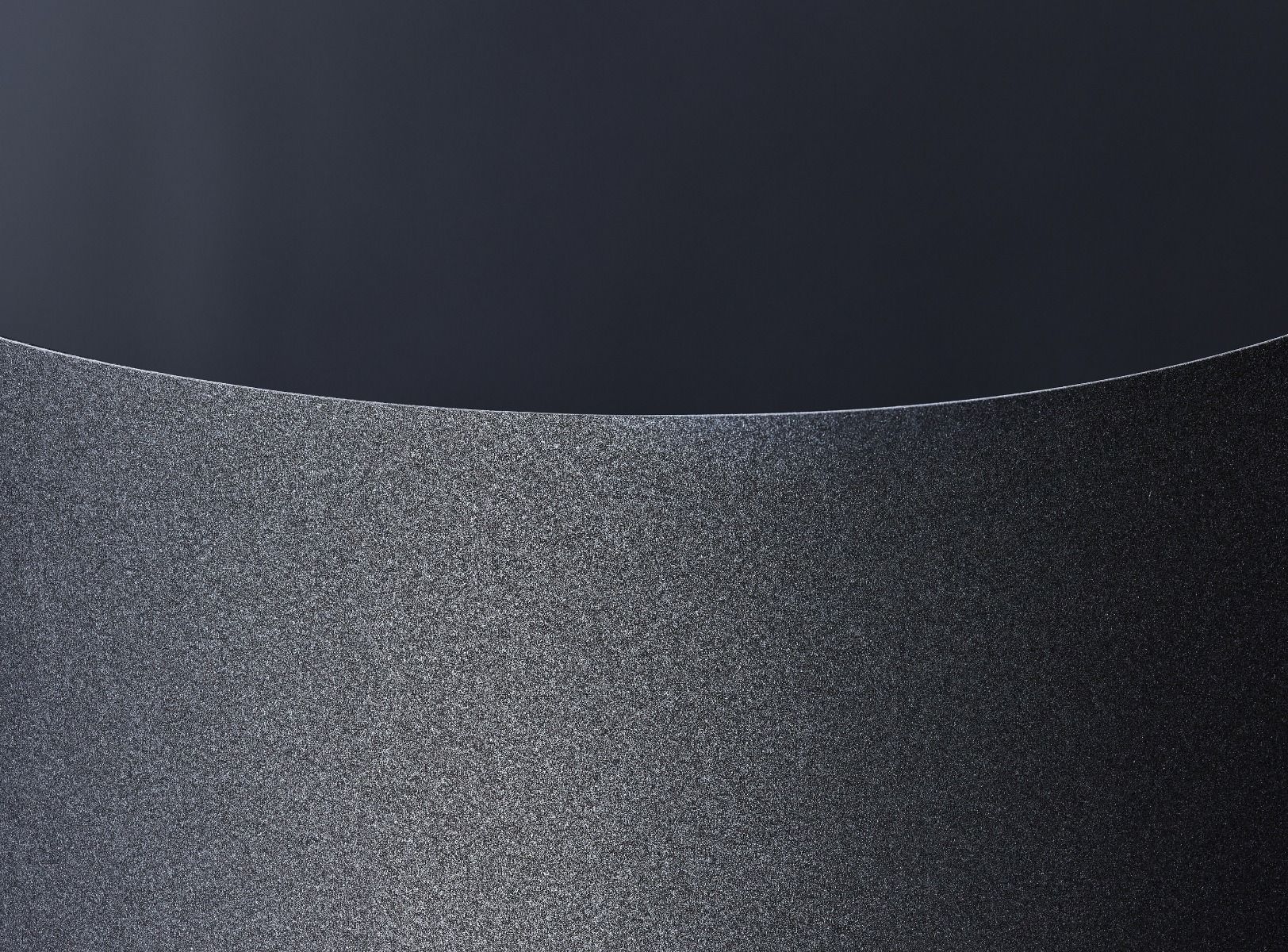
Luxury brands often utilise subtle finishing techniques such as debossing, metallic foils or textured stocks to create sophistication through restraint. Meanwhile, contemporary brands may favour uncoated papers, minimalist layouts and muted palettes to communicate clarity and modernity.
Functionality also remains essential. Packaging must protect products whilst delivering visual impact, and stationery should balance elegance with usability. Ultimately, the most effective print experiences are those where material choices reinforce the brand narrative naturally and consistently.
Delve Further
The Future of Branded Print
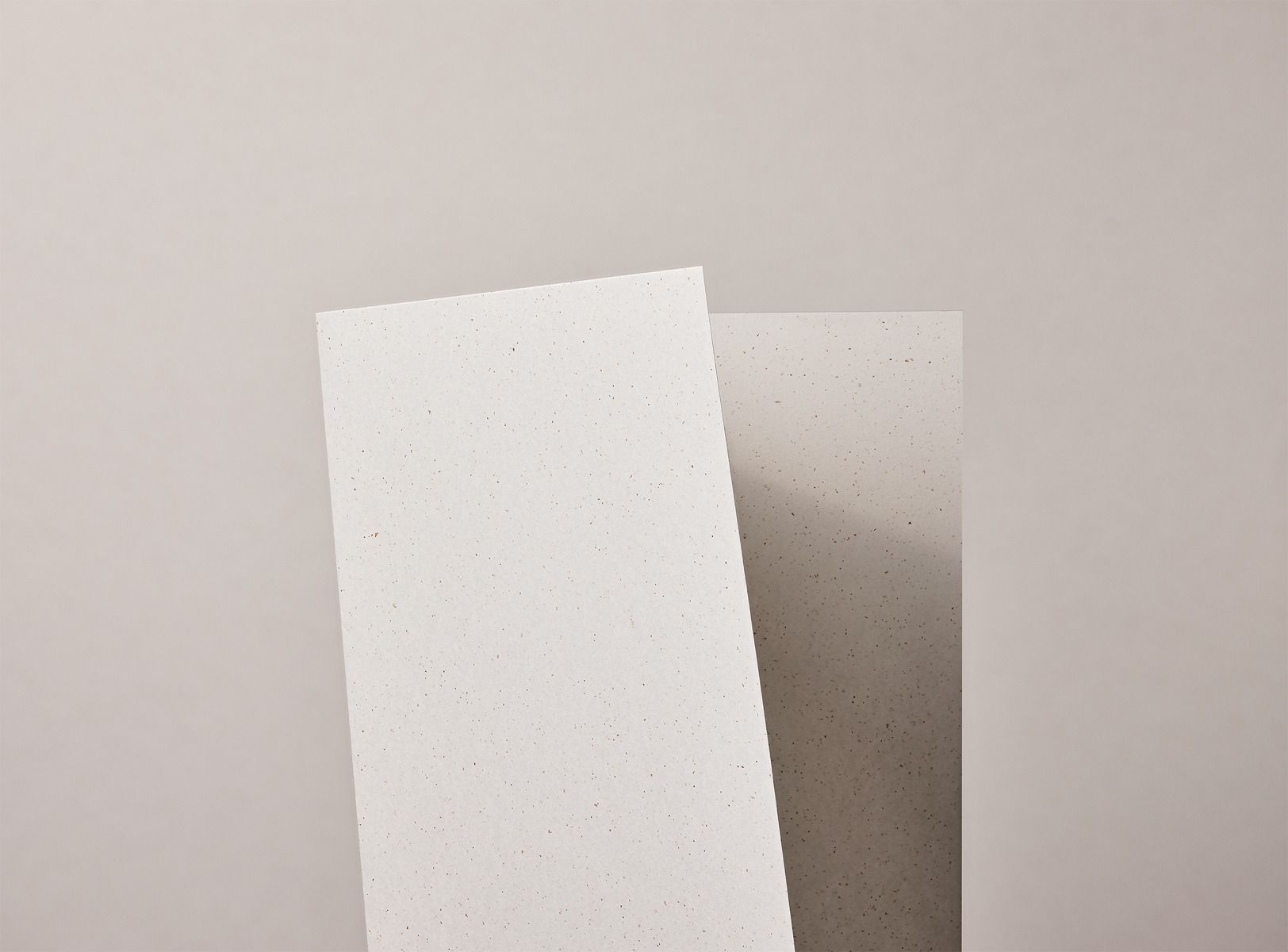
Modern branded print is increasingly moving toward tactile minimalism, sustainability and material authenticity. Brands are placing greater emphasis on recycled stocks, environmentally conscious packaging and understated finishes that feel refined without excess.
At the same time, advancements in digital print and finishing technologies allow greater flexibility, shorter production runs and personalised experiences. This enables brands to create boutique packaging, limited editions and highly tailored printed materials with greater efficiency.
Despite rapid digital growth, physical print continues to hold unique emotional value. Thoughtfully designed print experiences create permanence, presence and memorability — transforming ordinary brand interactions into tactile moments that customers can physically hold, experience and remember.