Introduction
Print Within Textile Heritage
Print and textiles have long shared a close relationship, particularly within Yorkshire — a region historically recognised for craftsmanship, weaving and industrial innovation. From woven labels and swing tags to luxury packaging and lookbooks, print has traditionally helped textile businesses communicate quality, provenance and identity.
Today, the textile industry continues to rely on printed materials to bridge physical product and brand experience. Whether supporting heritage mills, fashion houses or contemporary interiors brands, print remains integral in presenting collections, elevating packaging and reinforcing storytelling. In many respects, print becomes an extension of the textile itself — tactile, material-led and deeply connected to craftsmanship.
Discovery
Exploring Textile Print Applications
The textile industry utilises print across a remarkably broad range of touchpoints. Traditional applications include swing tags, woven labels, catalogues and branded stationery, all designed to communicate quality and consistency.
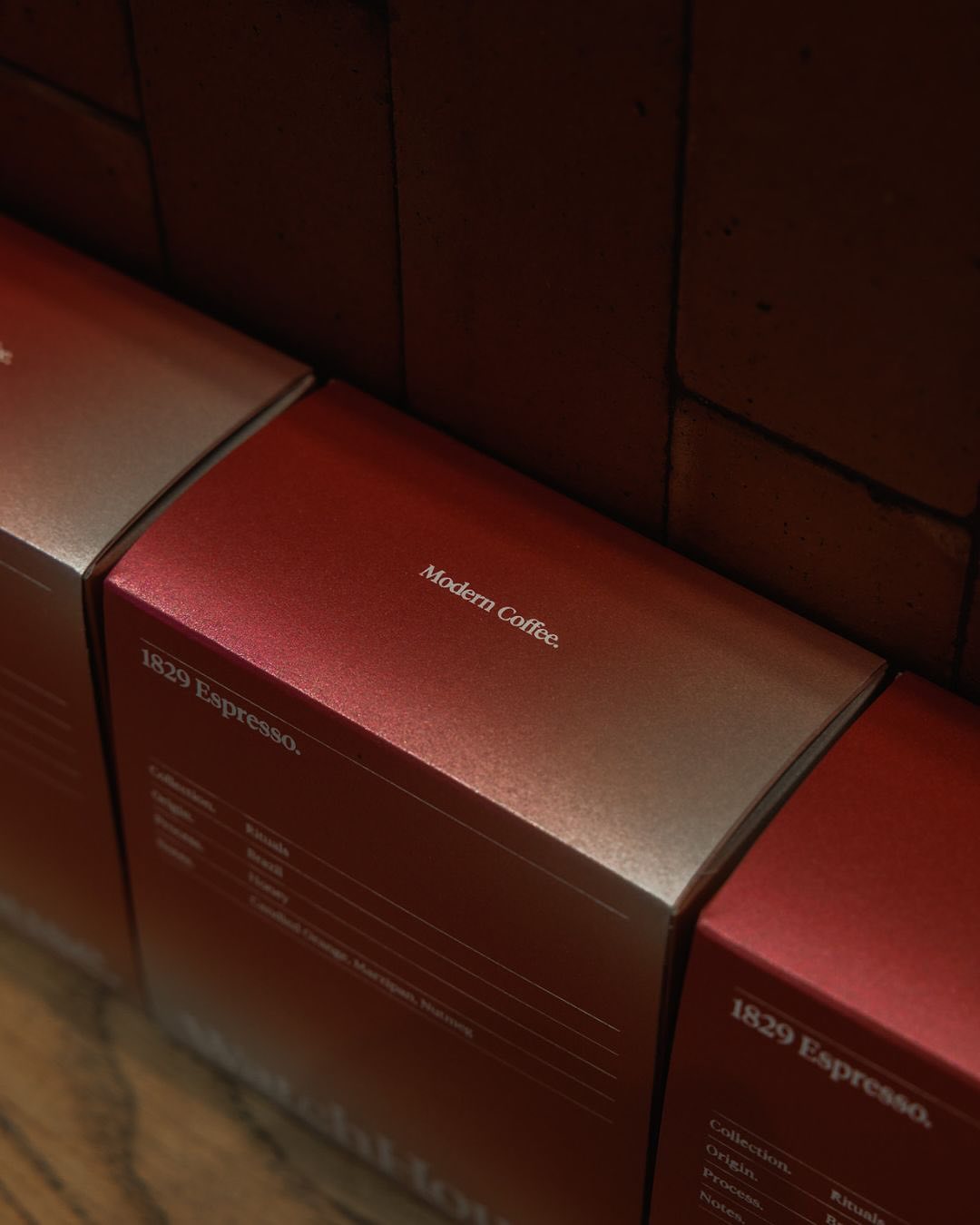
Luxury packaging meanwhile has become increasingly important, particularly within premium fashion and interiors sectors. Rigid boxes, tissue wraps, foil-blocked sleeves and textured stocks help create elevated unboxing experiences aligned with the product itself.
Editorial-style lookbooks and fabric sample presentations additionally allow brands to showcase texture, colour and materiality in a carefully curated format. From Yorkshire mills supplying wool and tweed to global fashion houses, print continues to shape how textile products are introduced, experienced and remembered.
Analysis
Crafting a Material-Led Brand Experience
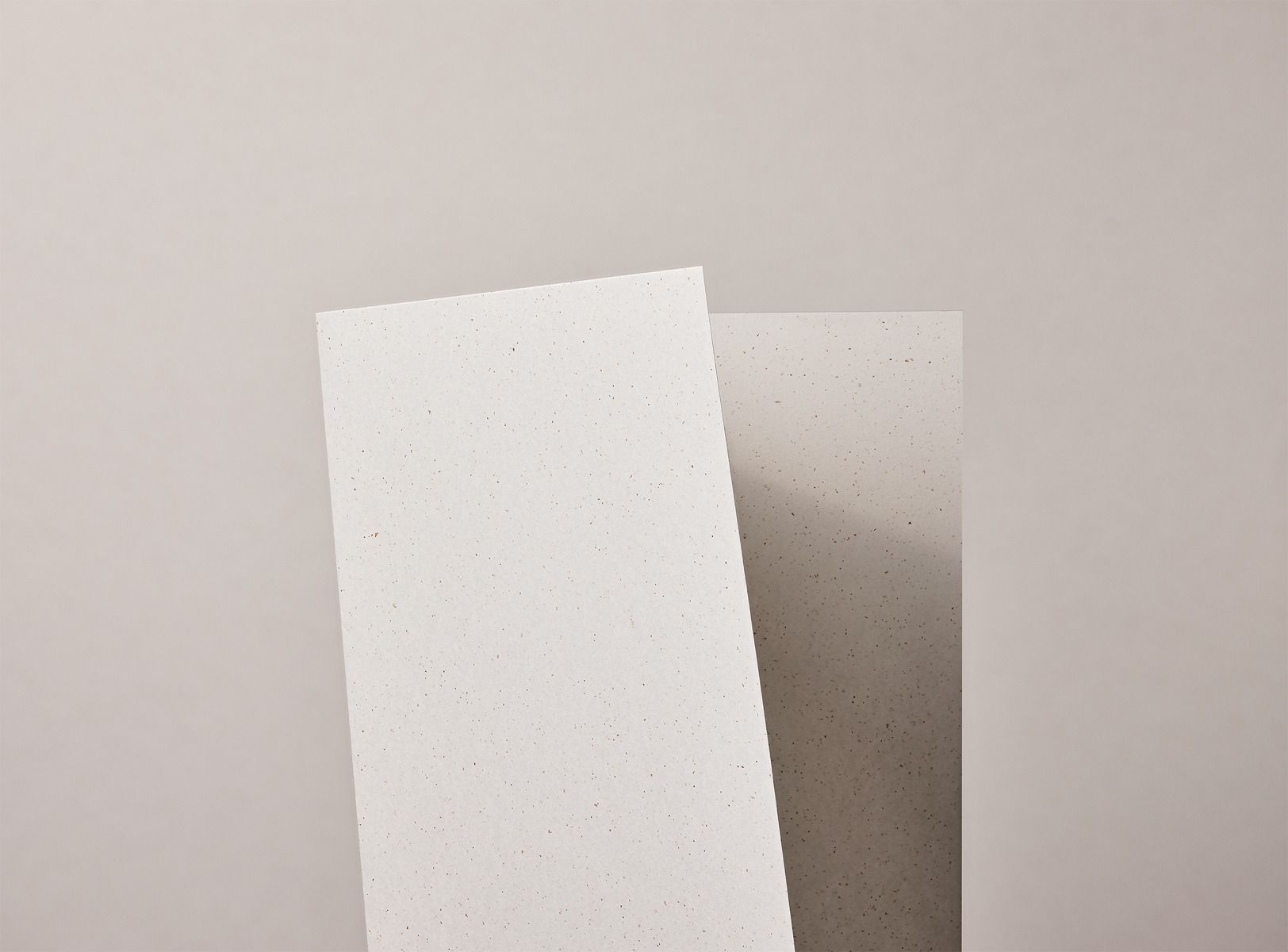
Successful print within the textile sector relies heavily on material harmony. Paper stocks, finishes and print techniques should complement the qualities of the textile itself, rather than compete against them.
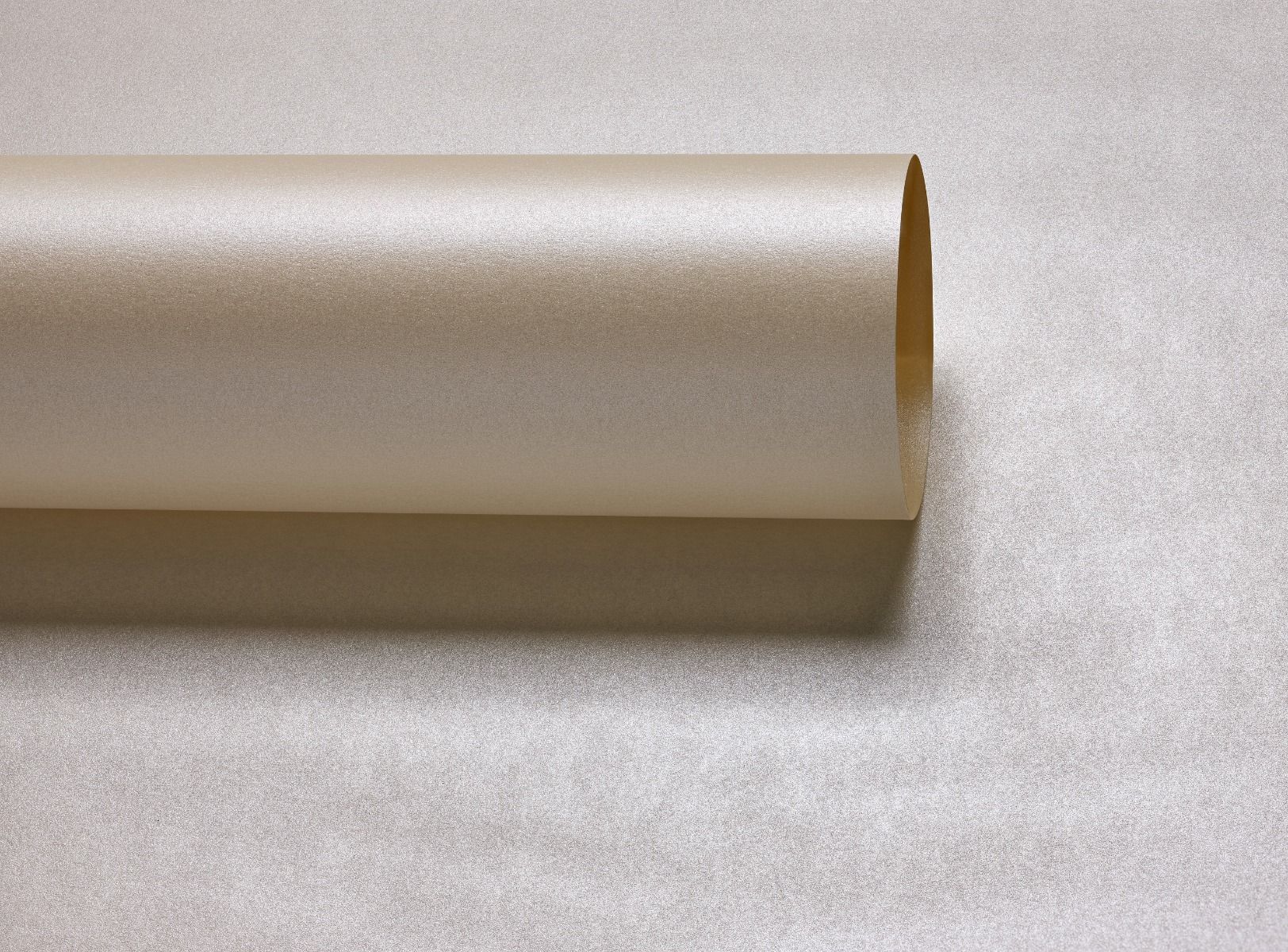
Soft-touch laminates, embossed textures and uncoated papers often mirror the tactile nature of woven fabrics, whilst subtle foils and debossing introduce understated luxury. Colour reproduction also becomes critical, particularly when presenting fabric palettes and collections where accuracy influences purchasing decisions.
Beyond aesthetics, print helps reinforce authenticity and provenance. Heritage-inspired typography, carefully written storytelling and refined finishing techniques allow textile brands to communicate craftsmanship, regional identity and longevity in a highly tangible way.

004
Yorkshire Influence and Global Reach
Yorkshire’s textile heritage continues to influence contemporary print and branding within the global textiles industry. The region’s longstanding reputation for wool, weaving and manufacturing craftsmanship has created an enduring association with quality and authenticity.
Today, textile brands increasingly combine this heritage with modern print innovation. Sustainable packaging, recycled stocks and digitally enhanced finishing techniques allow businesses to balance tradition with contemporary expectations. Meanwhile, global demand for tactile and premium brand experiences continues to grow across fashion, interiors and luxury retail sectors.
As textile brands expand internationally, print remains a powerful physical medium — connecting regional heritage, material craftsmanship and modern storytelling from Yorkshire to the wider world.