Introduction
Integrating Creativity and Manufacture
For decades, creative agencies and print presses often operated separately — one focused on ideas, branding and design, the other on technical production and manufacture. Increasingly however, the two disciplines are becoming more integrated, creating a more cohesive and efficient creative process.
By bringing strategy, design, print and finishing closer together, brands benefit from greater consistency between creative vision and physical execution. Designers gain deeper understanding of material possibilities, whilst print specialists can contribute practical expertise earlier within projects. The result is a more refined, tactile and commercially effective output where creativity and craftsmanship work in harmony rather than isolation.
Discovery
The Rise of Integrated Creative Production
Modern brands increasingly expect seamless experiences across digital, physical and retail environments. This has encouraged closer collaboration between creative agencies and print manufacturers throughout the design process.
Rather than treating print as a final production stage, agencies now involve printers earlier to explore paper stocks, structural packaging, finishes and technical feasibility during concept development. Likewise, print presses are evolving beyond pure manufacture, offering consultation around materials, finishing techniques and production innovation.
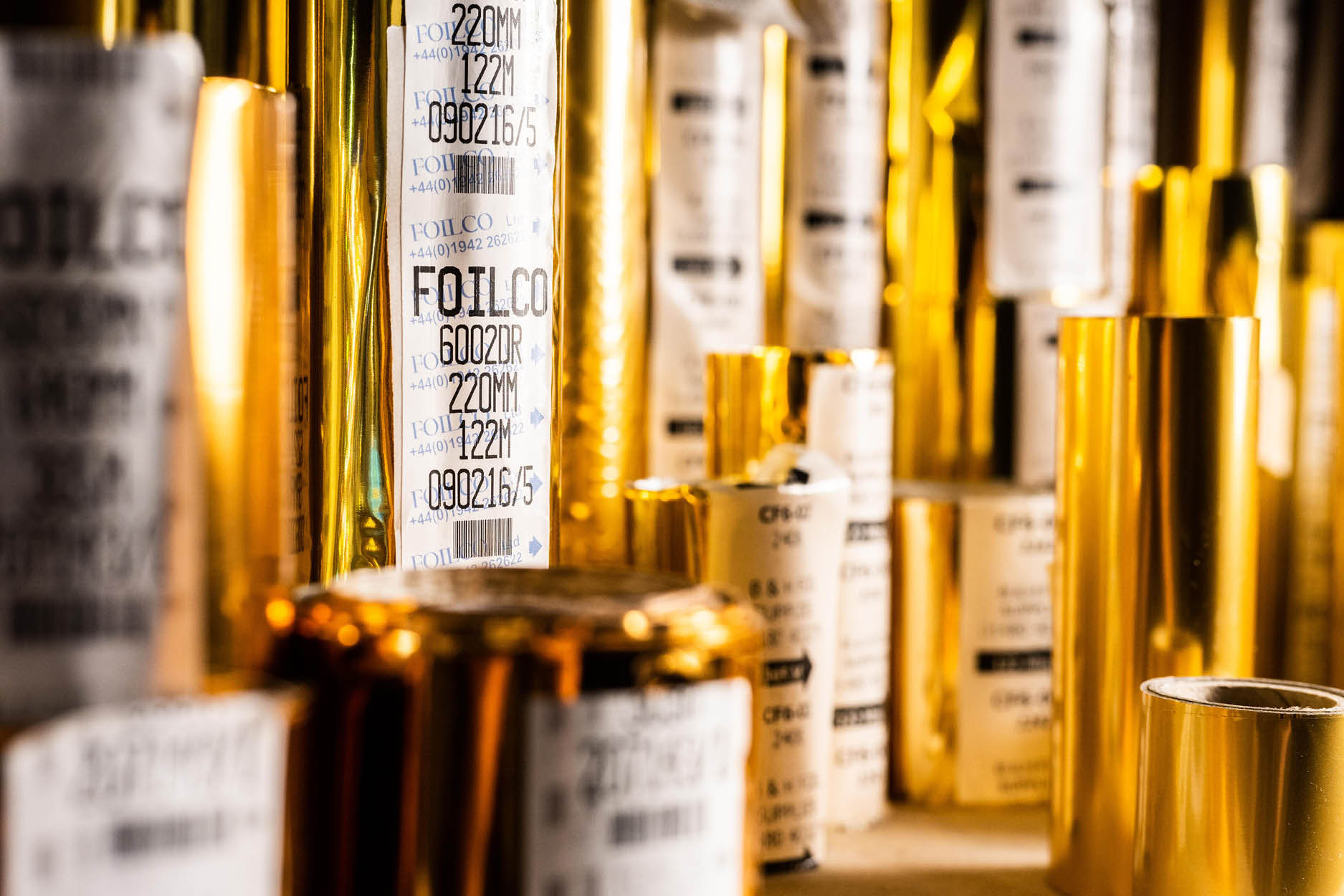
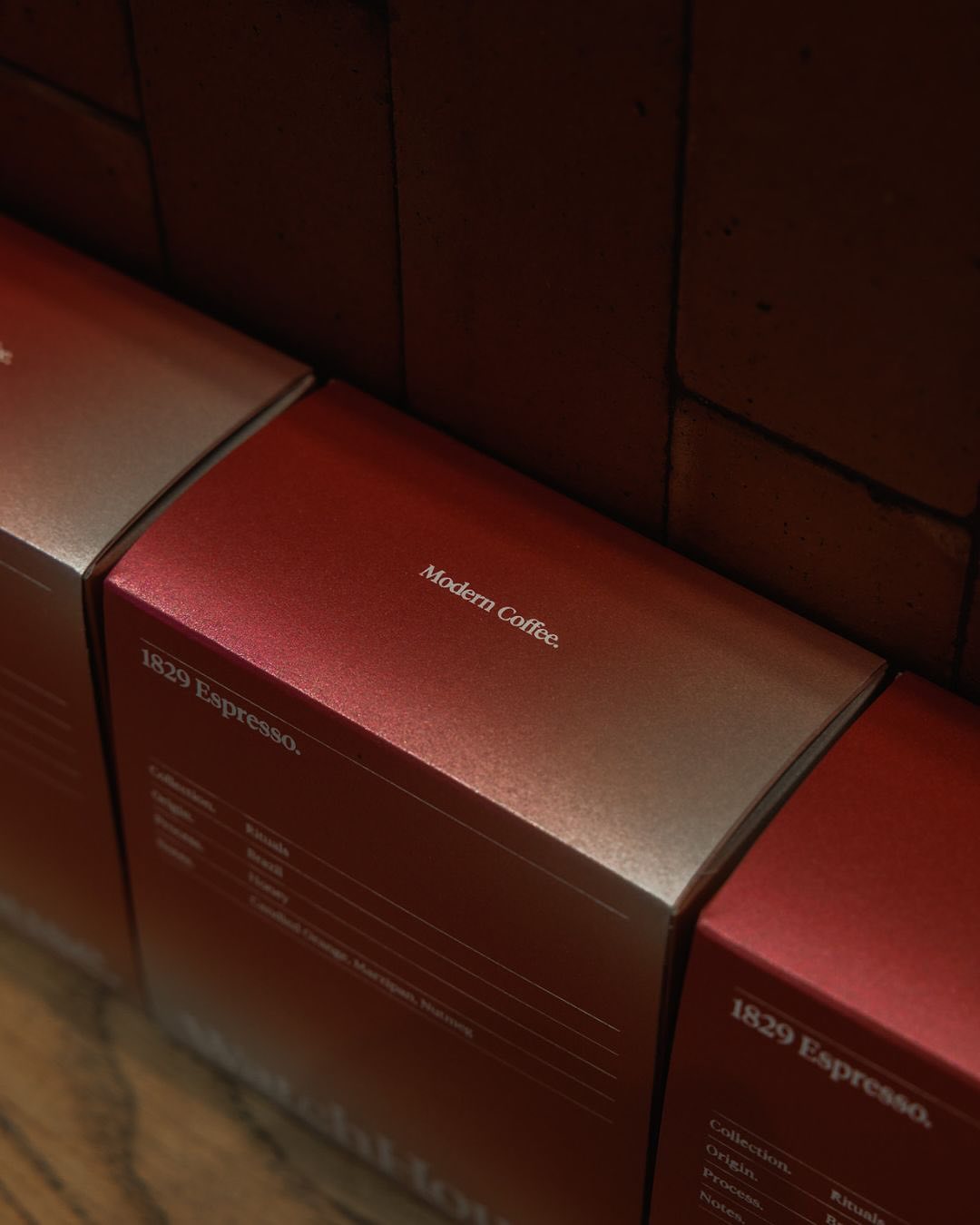
This integrated approach allows greater experimentation with embossing, foiling, die-cutting and specialist finishes whilst reducing production risks. Ultimately, the relationship becomes less transactional and more collaborative — centred around delivering stronger brand experiences through shared expertise.
Analysis
Aligning Design with Physical Craftsmanship
Integrating creative and manufacturing disciplines creates significant advantages across quality, efficiency and innovation. Designers who understand print limitations and opportunities can create work that translates more effectively into physical form.
Equally, printers involved earlier within projects can advise on material suitability, finishing compatibility and production efficiencies before artwork is finalised. This often reduces costly revisions whilst unlocking more ambitious creative outcomes.
The strongest collaborations are typically those where craftsmanship informs design direction itself. Paper texture, foil selection, emboss depth and structural packaging become part of the brand narrative rather than decorative afterthoughts. In this environment, manufacture evolves from production alone into an extension of the creative process.
Delve Further
The Future of Creative Manufacturing
The future of print increasingly lies in hybrid creative-manufacturing environments where agencies and production facilities operate with greater integration. Advances in digital print, automation and finishing technologies now allow shorter runs, rapid prototyping and highly customised outputs with greater efficiency.
At the same time, brands are placing renewed value on tactile experiences as digital environments become increasingly saturated. Premium print, packaging and material craftsmanship therefore continue to offer differentiation through physicality and permanence.
As creative and manufacturing disciplines converge further, the most successful studios and print presses will likely be those capable of combining strategic thinking, exceptional design and precision production into one seamless and highly collaborative brand experience.