Introduction
The Art Of Metallic Foiling
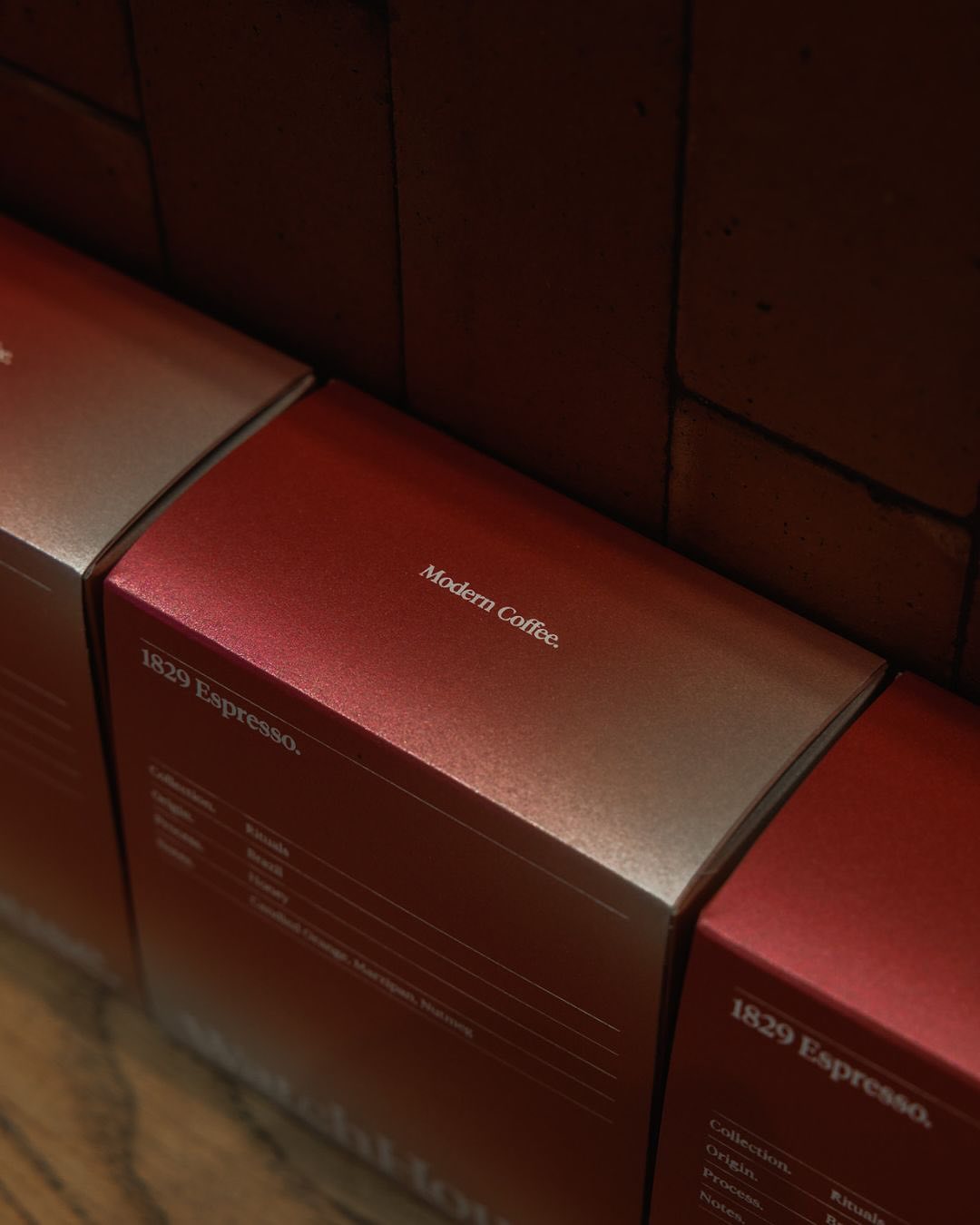
Metallic foil remains one of the most refined finishing techniques within luxury print, adding light, texture and tactile depth to a piece. Whilst commonly associated with gold and silver, modern foil palettes now extend into champagne tones, bronzes, holographic effects and rich colour finishes.
The choice of foil influences far more than decoration alone. Warm golds can evoke heritage and prestige, whilst cooler silvers often feel contemporary and architectural. Coloured foils meanwhile introduce boldness and individuality. Ultimately, foil selection becomes an exercise in aligning finish, paper stock and brand identity to create a cohesive and memorable printed experience.
Discovery
Exploring The Metallic Spectrum
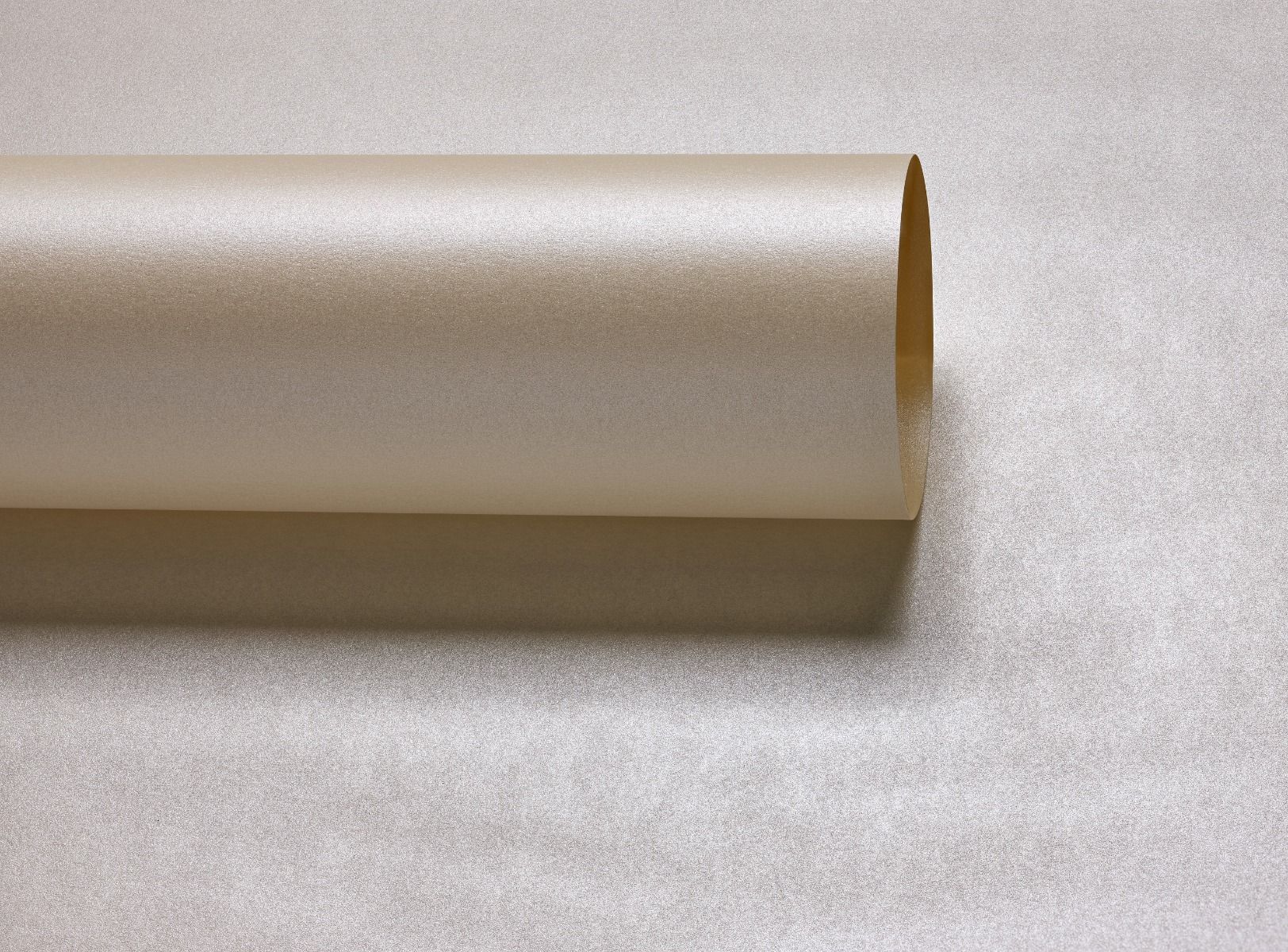
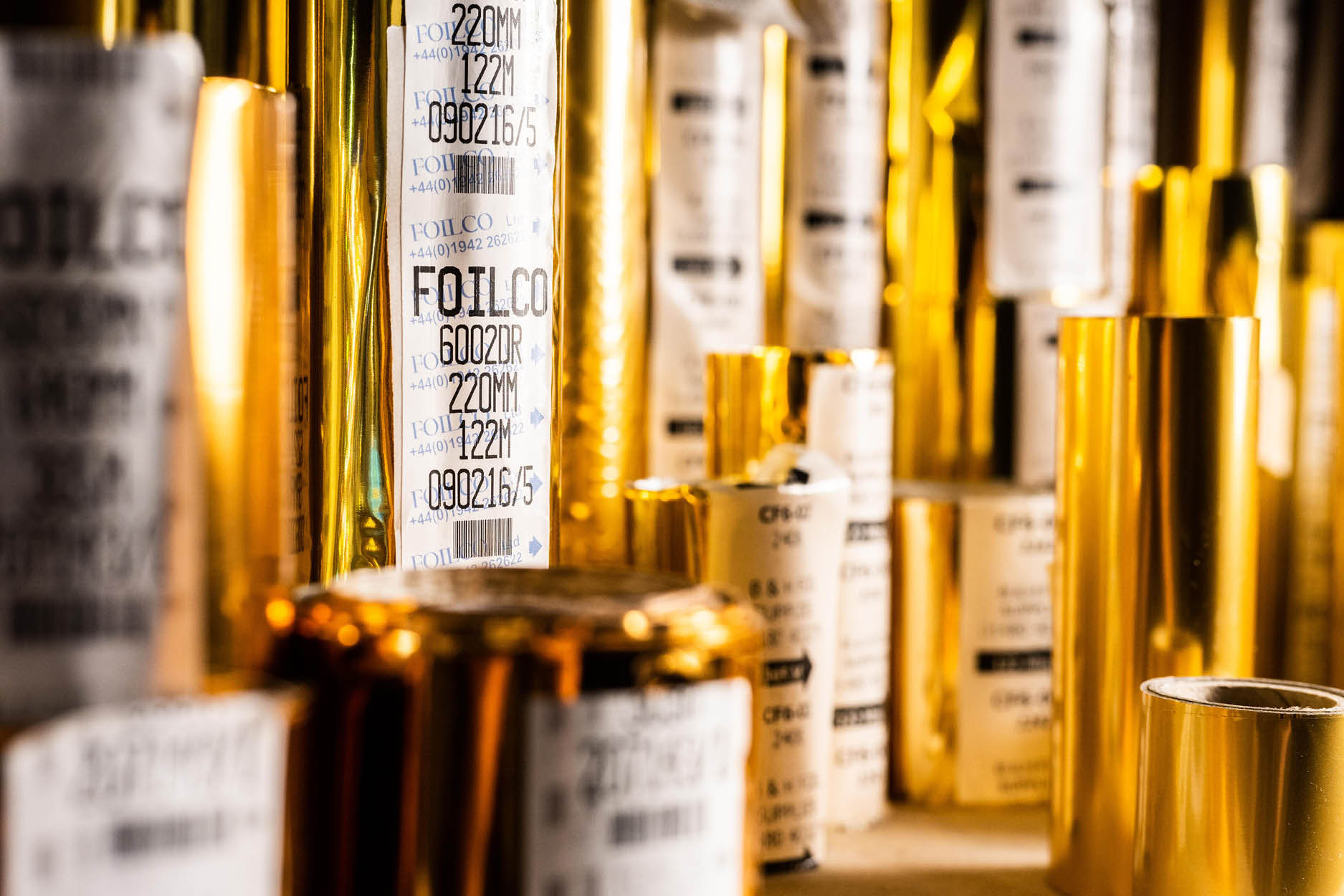
The world of metallic foils is remarkably diverse. Gold foils range from bright mirror finishes through to muted champagne and antique bronzes, each carrying a different emotional tone. Silver foils similarly vary between polished chrome aesthetics and softer pewter-inspired finishes.
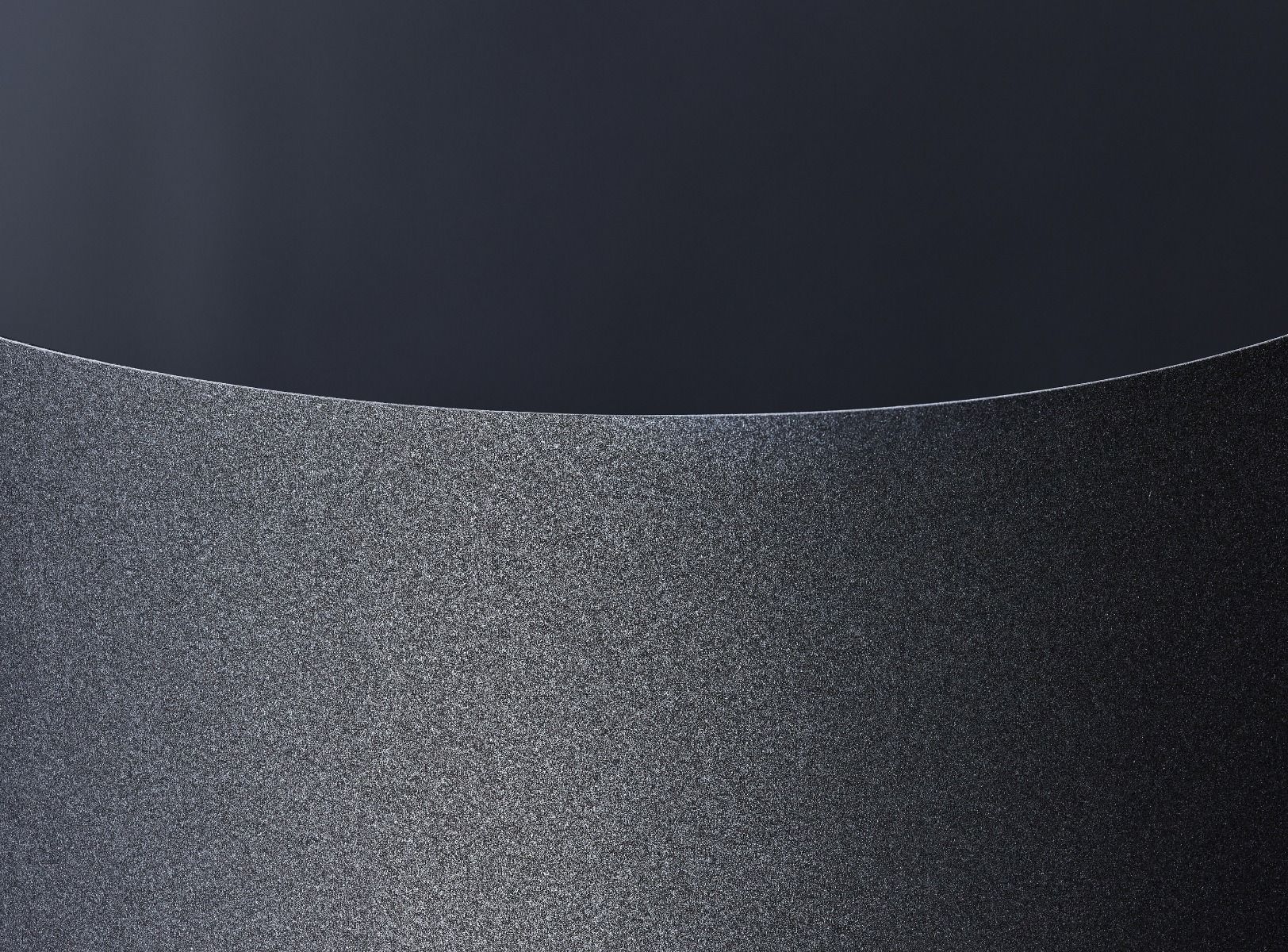
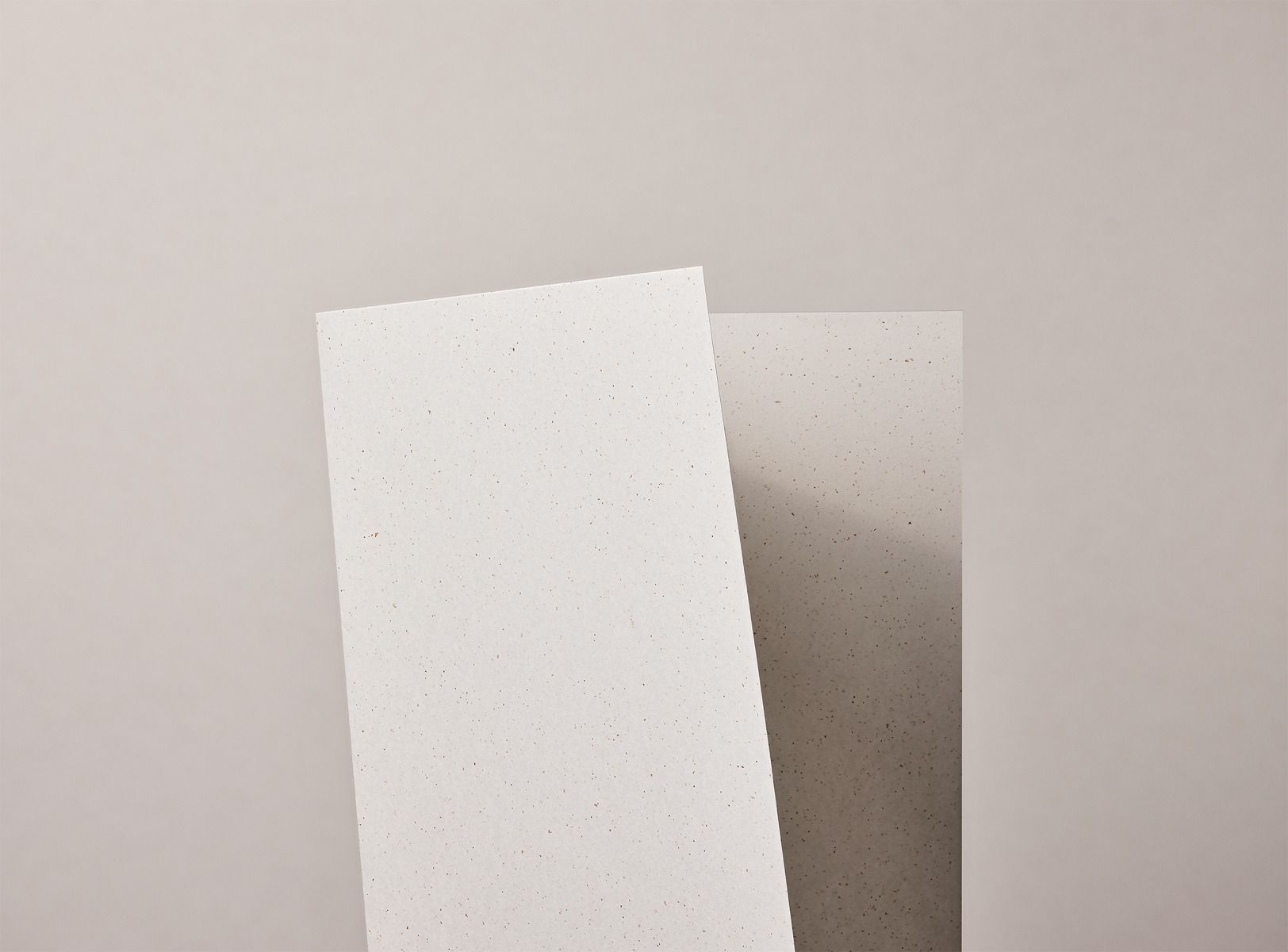
Beyond metallic neutrals, coloured foils open creative possibilities through deep blacks, emerald greens, navy blues and holographic effects. However, foil must always be considered alongside paper stock. Smooth coated sheets intensify reflection, whilst textured uncoated papers soften and diffuse light.
The discovery process therefore relies heavily on physical sampling, allowing designers to understand how foil, texture and light interact together.
Analysis
Choosing The Foil Specification
Successful foil specification balances elegance, practicality and brand positioning. Gold foils often suit hospitality, luxury retail and heritage-led brands, whilst silver tones align naturally with technology, architecture and minimalist aesthetics.
Subtle champagne or satin foils frequently feel more contemporary than highly reflective finishes, particularly when paired with restrained typography and generous whitespace. Colour foils can reinforce identity systems effectively, although excessive use risks reducing sophistication.
Technical considerations are equally important. Fine typography may not reproduce cleanly with certain foils, and large solid areas can expose imperfections. The strongest foil applications therefore feel integrated into the wider material language rather than simply decorative additions.
Delve Further
The Future Of Foiling
Modern luxury print is increasingly embracing subtlety within metallic finishing. Rather than dominating a design, foil is now often used sparingly — combined with embossing, debossing or textured stocks to create quieter, more tactile sophistication.
Sustainability is also shaping specification choices, with printers exploring recyclable foils and reduced coverage applications that maintain elegance whilst minimising waste. Digital foiling technologies additionally allow shorter runs and greater experimentation without extensive tooling costs.
Ultimately, the future of metallic finishing lies in intentionality. The most effective foil choices are not necessarily the brightest or boldest, but those that enhance materiality, reinforce brand identity and leave a lasting tactile impression.